

Short Links vs. QR Codes: Which is Best for Your Marketing Campaigns?
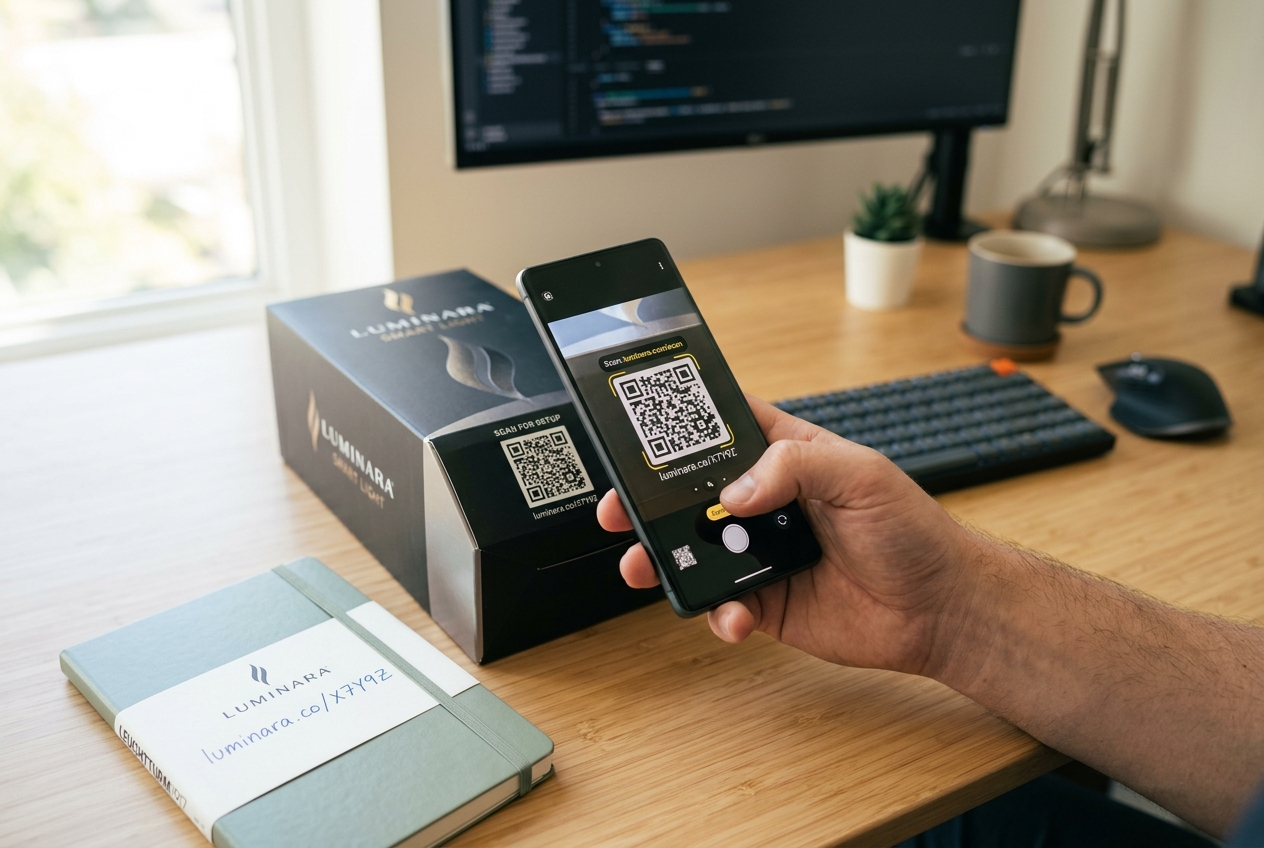
When designing a modern marketing campaign, your goal is simple: guide the audience from where they are directly to your digital offer with the least amount of friction. To bridge this gap, marketers rely heavily on two redirection tools: short links (branded short URLs) and QR codes (Quick Response codes).
Both technologies serve the same core function—they redirect users to a target URL. However, the context in which they are used, the user behavior they trigger, and the audiences they reach are vastly different.
Choosing the wrong tool can lead to dropped conversion rates and wasted budget. Here is a comprehensive comparison of short links vs. QR codes, when to use each, and how to combine them for maximum marketing ROI.
What is a Short Link?
A short link is a condensed version of a long URL. Instead of sharing a messy, 100-character link packed with UTM parameters, a short link packages it into a neat, readable form (e.g., qrzam.link/summer-sale).
Key Advantages of Short Links:
- Clean and Professional: They look trustworthy and are easy to read.
- Memorable: Branded short links (using your custom domain) reinforce brand recognition.
- Clickable: They are native to digital environments. A user simply taps the link on their screen.
- Easy to Share: Ideal for channels where text length is limited or formatting is strict.
What is a QR Code?
A QR code is a machine-readable two-dimensional barcode. Instead of typing or clicking, a user scans the code using their smartphone camera, which instantly opens the embedded destination link.
Key Advantages of QR Codes:
- Physical-to-Digital Bridge: The absolute best way to connect offline physical media (flyers, packaging, billboards) to online web pages.
- No Typing Friction: Scanners do not need to type out a URL on a small mobile keyboard.
- High Intent Engagement: Pulling out a phone to scan a code requires physical effort, indicating a highly interested prospect.
- Dynamic Capabilities: With dynamic QR codes, you can edit the destination URL anytime without changing the printed code.
The Head-to-Head Comparison
To choose the right tool, consider the medium and the user's physical environment.
| Feature | Short Links | QR Codes |
|---|---|---|
| Primary Environment | Digital (Social Media, SMS, Email) | Physical / Offline (Print, Packaging, Signage) |
| Interaction Trigger | Tapping / Clicking | Scanning with Camera |
| Friction Level | Low (Single tap on screen) | Medium (Must pull out phone and scan) |
| Brand Recognition | High (Uses custom domain name) | Medium (Visual design, custom logo center) |
| Edits & Analytics | Fully editable and trackable | Fully editable and trackable (if Dynamic) |
When to Use Short Links (Digital-First)
Short links are the undisputed kings of the digital-only space. If your user is already holding a device and browsing online, do not make them scan a QR code. Instead, give them a clickable short link.
Best Use Cases:
- Social Media Bios & Posts: Platforms like Instagram, Twitter/X, and TikTok have strict link limits. A branded short link keeps bios clean.
- SMS Marketing: Text messages have a 160-character limit. Long URLs get broken up, while short links save space and look professional.
- Podcast Audio: When reading a link out loud, a memorable, branded short link (e.g.,
brand.link/podcast) is easy for listeners to remember and type later. - Email Campaigns: Use branded short links inside email copy to track individual clicks and keep formatting clean.
When to Use QR Codes (Physical-First)
If your marketing campaign involves anything that will be printed or viewed in the physical world, QR codes are the clear winner. Expecting a user to manually type a long, complex URL from a poster into their phone is a conversion killer.
Best Use Cases:
- Product Packaging: Place a QR code on boxes or labels to share user manuals, setup videos, or warranty registrations.
- Flyers, Brochures, & Posters: Add a QR code with a clear Call to Action (CTA) like "Scan for 10% Off" to drive instant mobile traffic.
- Restaurant Tables: Use a restaurant menu qr code so diners can view menus and order contact-free.
- TV Commercials & Video Ads: A QR code displayed on screen allows viewers sitting on the couch to scan and engage instantly without searching for the website.
- Direct Mail: Send printed postcards with custom QR codes to guide recipients directly to a personalized landing page.
Why Choose: How QR Zam Combines Both
You do not have to choose one over the other. The best marketing campaigns utilize both tools in tandem to capture every possible lead.
When you create a dynamic QR code using QR Zam, a corresponding short link is automatically generated for that campaign. This allows you to:
- Use the QR Code on Print: Print the QR code on your flyer for offline scanners.
- Use the Short Link in Copy: Print the short link right underneath the QR code (e.g.,
qrzam.link/flyer1) as a backup for users who cannot scan or prefer typing. - Unified Analytics: Track both QR scans and short link clicks in a single analytics dashboard, showing you exactly which channels drive the highest engagement.
By combining short links and QR codes, you remove all friction points, making it easy for both digital and offline audiences to connect with your brand.