


How QR Codes Are Transforming Museums and Art Galleries
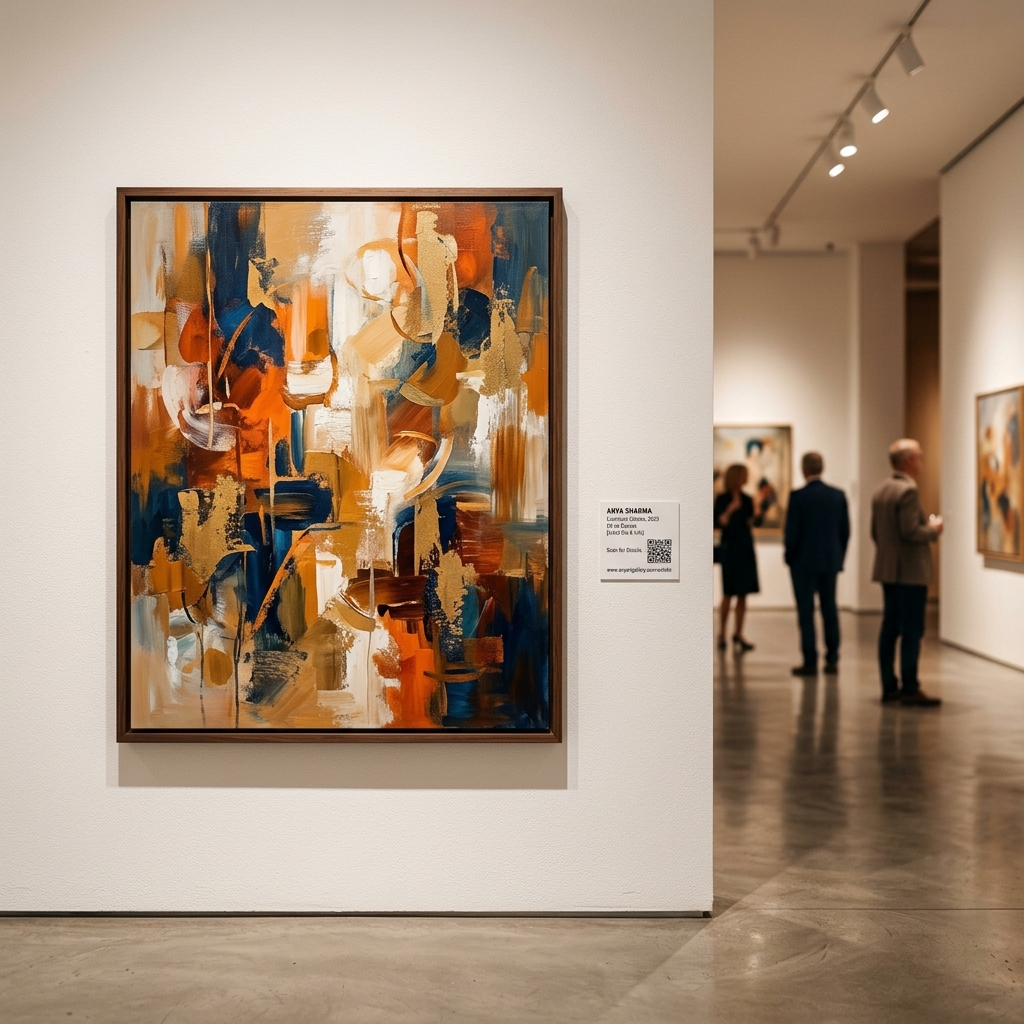
Walk into a modern museum or art gallery today, and you are likely to see a familiar pixelated square next to the exhibits. Once viewed as a temporary convenience during the contactless era, QR codes have officially become a permanent fixture in cultural and historical institutions worldwide.
For curators, museum administrators, and exhibition designers, QR codes are no longer just tools for linking to a basic website. They are dynamic portals that enhance visitor engagement, bridge the physical and digital worlds, provide instant multi-language accessibility, and offer invaluable analytics to optimize future exhibits.
Let's explore how QR codes are transforming the visitor experience in museums and art galleries, and how your institution can leverage these tools effectively.
1. Digital, Interactive Audio Guides and Multimedia Tours
Historically, museums relied on renting out bulky, expensive audio guide headsets. These devices required constant sanitizing, regular maintenance, battery recharging, and dedicated staff to manage distribution.
QR codes completely eliminate this operational headache. By placing a QR code next to an artwork or at the entrance of an exhibit, museums allow visitors to scan the code with their own smartphones and instantly access:
- High-quality audio narration from the artist or curator.
- Deep-dive videos showing the historical context or restoration process of the artifact.
- Interactive 3D models that allow visitors to examine the object from all angles.
This "bring your own device" (BYOD) model dramatically reduces hardware overhead for the museum while providing a more hygienic and comfortable experience for the visitor.
2. Seamless Multi-Language Accessibility via Smart Routing
One of the greatest challenges for international cultural landmarks is catering to visitors from all over the world. Displaying placards in five different languages takes up valuable wall space and clutters the visual aesthetic of the exhibit.
This is where Smart Routing QR codes from QR Zam shine. Using dynamic QR codes with smart routing capabilities, you can print a single QR code next to an exhibit. When a visitor scans it, the QR code detects their phone's preferred browser language and automatically redirects them to the appropriate translation:
- A tourist from Tokyo sees the Japanese translation.
- A visitor from Hanoi sees the Vietnamese translation.
- A visitor from Paris sees the French translation.
Curators no longer have to compromise on label space or aesthetic simplicity to deliver inclusive, accessible content.
3. contactless Ticketing and Event Management
Long queues at the ticket counter can ruin the visitor experience before it even begins. By implementing an event QR code strategy, museums can streamline the entire entry process.
Visitors can buy tickets online, receive a digital ticket containing a secure QR code on their phones, and scan it at the turnstile or with staff mobile scanners. In addition, QR codes printed on outdoor banners or posters outside the museum can link directly to the booking page, encouraging passersby to purchase tickets on the spot and bypass physical lines entirely.
4. Driving Donations, Gift Shop Sales, and Feedback
Museums and non-profit galleries heavily rely on community support, memberships, and gift shop sales to sustain operations. However, asking visitors to fill out physical donor cards or search for a donation link online rarely yields high results.
QR codes make supporting your institution frictionless:
- Instant Donations: Place QR codes on donation pillars, exhibition brochures, or near exit signs linking directly to Apple Pay, Google Pay, or localized payment gateways.
- Gift Shop Commerce: Link QR codes on exhibit descriptions directly to the gift shop's online store, allowing visitors to purchase replicas, art prints, or books related to the painting they are looking at on the spot.
- Visitor Feedback: Place a feedback QR code at the exit to gather structured ratings and comments on the exhibition.
5. Unlocking Invaluable Visitor Analytics
With static paper placards or traditional audio devices, it is nearly impossible to track visitor engagement. Which painting did people spend the most time looking at? What time of day is the busiest? Which international tourist groups scan the guides the most?
By choosing dynamic QR codes over static ones, museums gain access to a treasure trove of scan analytics. The QR Zam dashboard allows you to track:
- Total and Unique Scans: Measure the exact popularity of individual exhibits.
- Geographic and Language Data: Know where your international visitors are from to optimize translation budgets.
- Time-Based Distribution: Pinpoint peak hours to optimize staff scheduling.
- Device type & OS: Understand your audience's tech preferences to optimize your digital guides.
Static vs. Dynamic QR Codes: Which Should Museums Use?
When planning your museum’s digital integration, understanding the difference between static and dynamic QR codes is crucial:
- Static QR Codes: These encode the destination URL directly into the pixel pattern. Once printed, the URL cannot be edited. If your website URL changes, or if you want to point the exhibit to a new audio file, you must reprint all the physical placards. Furthermore, static QR codes do not provide any scan tracking.
- Dynamic QR Codes: These use a short redirect link. This means you can update the destination URL at any time in the future without changing the printed code. Additionally, they enable complete scan tracking and smart routing.
For museums and galleries, dynamic QR codes are the industry standard, ensuring that physical plaques do not need to be replaced when digital URLs or audio tracks are updated.
How to Get Started with QR Zam for Your Exhibit
Creating custom, secure QR codes for your institution takes just minutes:
- Sign up on QR Zam: Select a plan that fits your organization (our Growth plan supports dynamic analytics and smart routing).
- Generate your QR codes: Input your audio file links, video URLs, or localized translation pages.
- Customize the design: To match your gallery's aesthetic, customize the colors, choose a minimal border style, or add a clean logo.
- Download in vector format: Save your QR codes as SVGs or EPS files to ensure crisp, high-quality prints on your gallery labels.
- Track and optimize: Monitor scan rates in real time and refine your visitor journey based on actual behavior.
Whether you run a local art gallery or a national historical museum, QR Zam provides the reliable infrastructure, smart routing, and security you need to deliver memorable visitor experiences.