


Dynamic QR Codes for DTC Brands: Turn Physical Packaging into a Digital Sales Channel
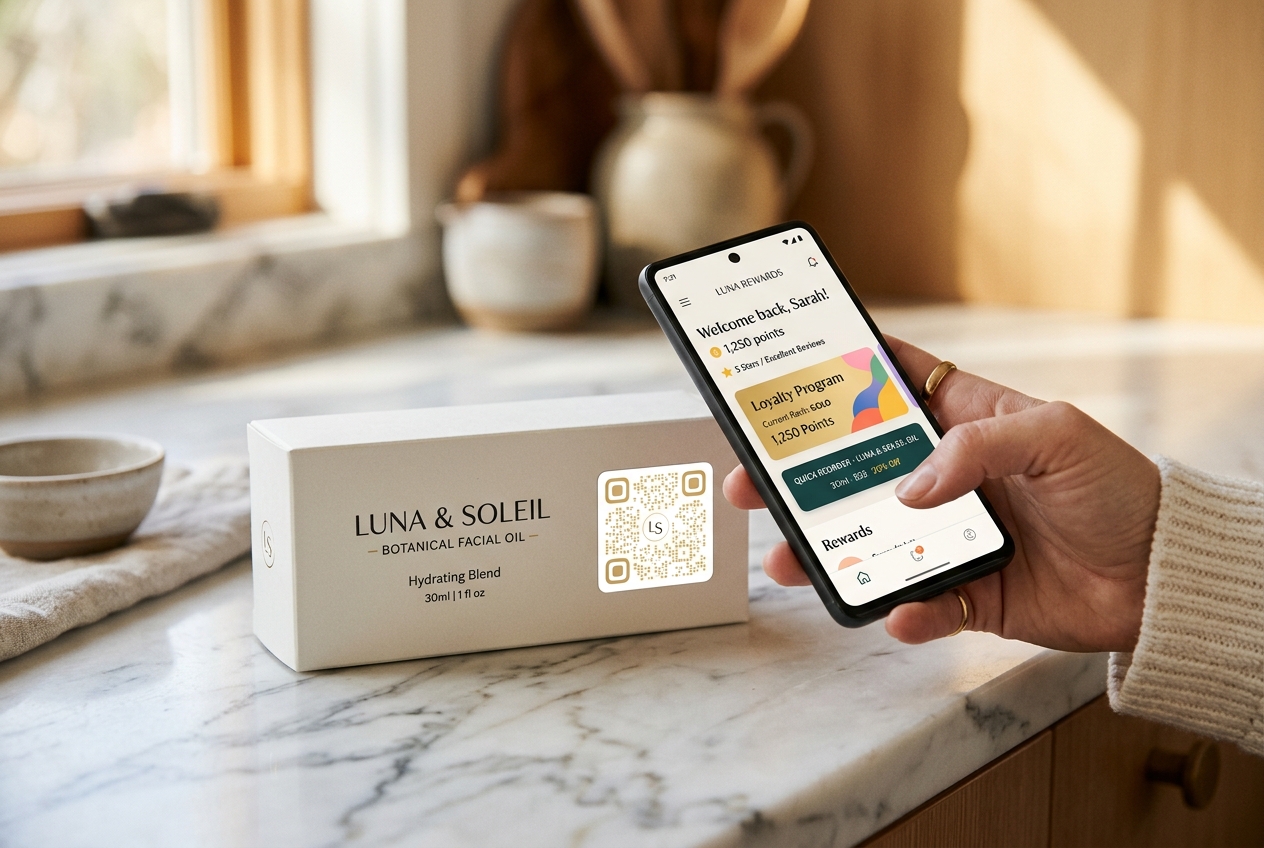
For Direct-to-Consumer (DTC) brands, the product packaging is one of the most underutilized marketing assets. Too often, brands treat their boxes and labels as mere containers rather than interactive touchpoints. Once a package is shipped, the brand-customer connection is frequently severed until the customer decides to browse the website again.
But what if your physical packaging could act as a direct, digital gateway to your brand's digital ecosystem?
By leveraging dynamic QR codes, DTC brands can turn every product shipment into an ongoing customer relationship, boosting repeat purchase rates, collecting valuable zero-party data, and driving mobile app downloads.
Here is how modern DTC brands are using dynamic QR codes on their packaging to drive growth and retention.
1. Frictionless Reordering and Subscriptions
The primary growth lever for any DTC brand is Customer Lifetime Value (LTV). Acquiring a customer is expensive; retaining them is where the profit lies.
- Instant Reorder QR Codes: Placing a dynamic QR code near the bottom of a cosmetic bottle, coffee bag, or vitamin bottle allows customers to scan it when they are running low. The QR code redirects them directly to their shopping cart with the exact item pre-populated, making repurchase a one-tap experience.
- Easy Subscription Upgrades: If a customer purchased a one-off product, use packaging QR codes to offer a discount on their next order if they upgrade to a recurring subscription. By using a dynamic link, you can change the target page based on stock levels, current promotions, or user segment.
2. Collecting Zero-Party Data and Feedback
With the deprecation of third-party cookies and rising privacy regulations, collecting direct customer data (zero-party data) is vital.
- Post-Purchase Surveys: Encourage customers to scan a QR code on the inside lid of your box to fill out a quick feedback survey in exchange for a discount code.
- Product Registrations: For electronics, kitchenware, or premium apparel, use QR codes to guide customers through product registration. This not only verifies the product's authenticity but also captures their email and contact information immediately upon unboxing.
3. Delivering Immersive Product Education
A great unboxing experience doesn't just look pretty—it helps the customer get the most value out of their purchase immediately.
- Video Tutorials and How-To Guides: Link packaging QR codes to quick video tutorials showing how to style a piece of clothing, assemble a piece of furniture, or cook a recipe using your food product.
- Ingredients and Sustainability Transparency: Modern consumers care about where their products come from. Use a QR code to link to a detailed page explaining the sourcing of your organic ingredients, the stories of the artisans who made the product, or how to recycle the packaging.
4. Building Community and Social Proof
Your unboxing experience is the peak moment of customer excitement. Capture that enthusiasm to build your online community.
- Encourage Social Sharing: Place a QR code next to a call-to-action like "Show us how you style it! Scan to tag us on Instagram." This can lead to a customized social landing page featuring your brand's links, hashtags, and customer-generated content feed.
- Drive App Downloads: If your brand has a dedicated mobile app, a dynamic QR code on the packaging can detect the scanner’s device type (iOS or Android) and route them to the correct app store, boosting mobile app engagement and retention.
Why DTC Brands Must Choose Dynamic Over Static QR Codes
When printing thousands of product packages, there is zero room for error. If you use a static QR code, the embedded URL is hardcoded. If your landing page changes, your website domain updates, or you want to redirect traffic to a new campaign, those printed boxes become obsolete.
With dynamic QR codes from QR Zam, you gain:
- Total Flexibility: Edit the target URL at any time, even after the package has been printed and shipped to the customer's home.
- Advanced Analytics: Track scan counts, geographical locations, devices, and times to understand exactly when and where your customers are interacting with your products.
- Custom Domains: Use your own branded domain (e.g.,
qr.yourbrand.com/reorder) instead of a generic link, maintaining brand trust and improving scan rates by up to 34%.
Step-by-Step: How to Add QR Codes to Your DTC Packaging
- Determine the Goal: Decide if your QR code will drive reorders, collect reviews, show tutorials, or encourage app downloads.
- Create a Dynamic QR Code in QR Zam: Set up your destination URL and configure your custom branded domain.
- Design the Code: Customize the colors and add your logo to match your product's packaging design. Ensure high contrast so it scans easily.
- Place it Strategically: Put the QR code where it is visible but doesn't disrupt the premium aesthetic. Include a clear Call-to-Action (CTA) like "Scan for 15% off your next order."
- Test Before Printing: Always test the QR code on different mobile devices and in varying lighting conditions before running large print batches.
Ready to turn your product packaging into your highest-performing digital marketing asset? Get started with QR Zam today.