


Clothing QR Codes: How to Revolutionize Fashion and Apparel Marketing
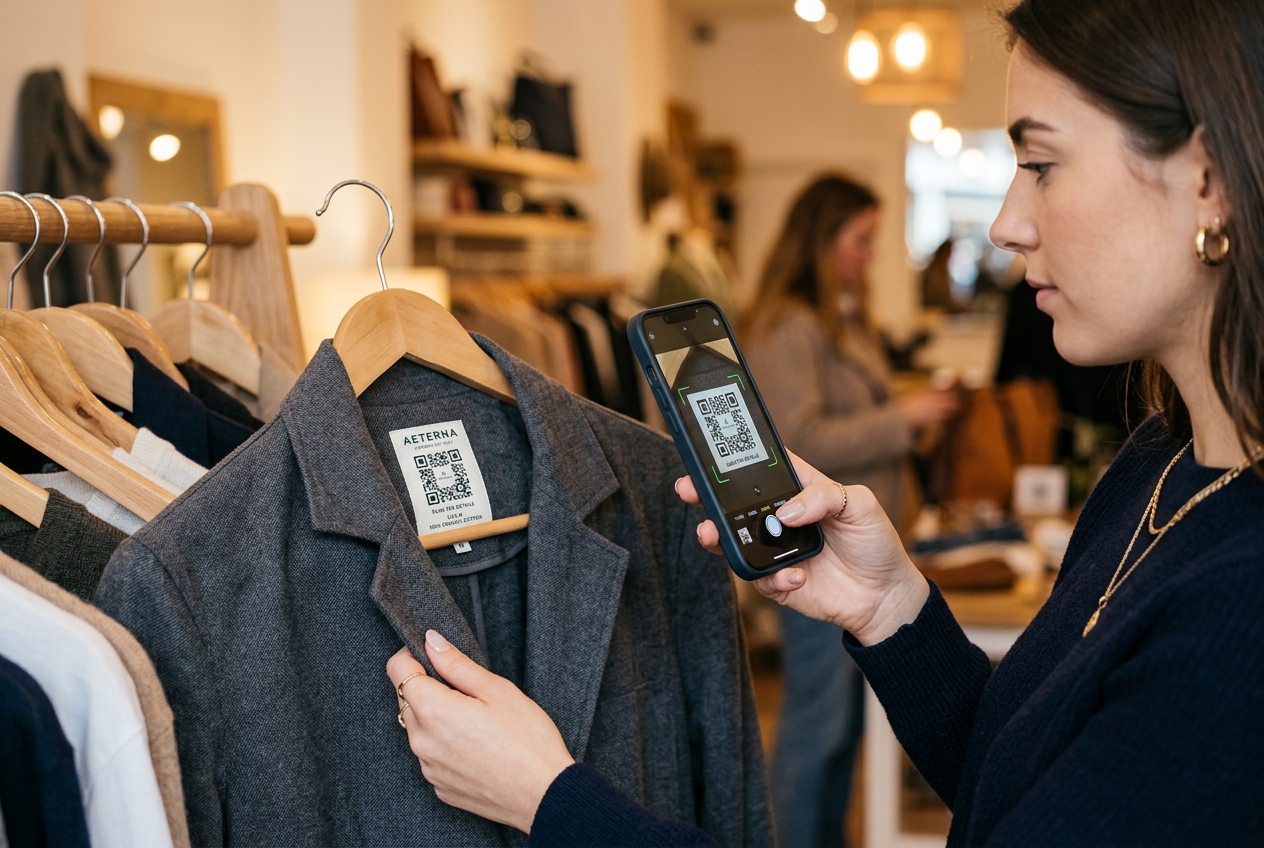
The fashion and apparel industry has always been at the forefront of innovation. Today, the intersection of fashion and technology is creating exciting new opportunities for brand owners. One of the most effective and affordable ways to bridge physical clothing with digital experiences is through the use of clothing QR codes.
By embedding a custom qr code on clothing tags, care labels, or directly onto the fabric, fashion brands can turn static garments into dynamic, interactive touchpoints.
In this guide, we will explore why clothing QR codes are becoming a standard in apparel marketing, how to implement them, and how they can help you grow customer loyalty and drive e-commerce sales.
Why Put QR Codes on Clothing?
Traditional clothing tags have limited space. They can only display basic information like size, material composition, and wash instructions. A QR code, however, acts as a gateway to unlimited digital content.
Here are the key benefits of integrating QR codes into your apparel products:
1. Interactive Brand Storytelling & Sustainability Tracing
Modern consumers—especially Gen Z and Millennials—care about where their clothes come from. They want to know about the factory conditions, the origin of the organic cotton, and the brand’s environmental footprint. A dynamic QR code on the wash tag can link to a beautifully designed landing page showcasing your supply chain transparency, complete with videos of the artisans who made the garment.
2. Digital Styling and Outfitting Guides
When a customer buys a piece of clothing, they often wonder how to style it. You can program a QR code to route customers to a lookbook or video tutorial showing different ways to style that specific garment. This not only enhances the customer experience but also provides an excellent cross-selling opportunity for other items in your collection.
3. Anti-Counterfeiting and Product Authentication
Counterfeit goods cost the fashion industry billions of dollars annually. With QR Zam's dynamic qr code platform, brands can generate unique serialized QR codes for each production run. Customers can scan the code to instantly verify that the item is a genuine product, protecting your brand reputation and giving buyers peace of mind.
4. Seamless E-commerce Repurchasing & Customer Loyalty
When a customer loves a garment and wants to purchase it in another color, or buy a replacement after years of wear, they shouldn't have to search your website. A small QR code printed on the inner label can take them directly to the product page on your e-commerce store. You can also link the QR code to your VIP customer loyalty club, offering scan-to-unlock discounts.
How to Design QR Codes for Fabric and Apparel Printing
Printing on fabric, leather, or paper tags requires careful attention to design and contrast to ensure high scannability. Follow these best practices when creating your codes:
- Ensure High Contrast: Always keep the QR code pattern dark and the background light. A white pattern on a black shirt might look cool, but some smartphone cameras struggle to read inverted codes.
- Maintain a Safe Size: For clothing tags, the QR code should be at least 2 x 2 cm (0.8 x 0.8 inches). If printing on a large fabric area, like a t-shirt graphic, size is less of an issue, but ensure the fabric doesn’t wrinkle excessively.
- Use Dynamic QR Codes: Never use static codes. A free qr code generator that only creates static codes locks in the destination URL forever. If your website changes, or you want to update the styling video, static codes will break. Dynamic codes let you update the link anytime without reprinting the labels.
- Add a Brand Logo: Use QR Zam's ai qr code generator to embed your brand's logo in the center of the QR code. This increases visual trust and ensures the code matches your brand aesthetic.
Creative Ways to Use Clothing QR Codes
Hang Tags and Price Tags
Place a QR code on the primary hang tag that buyers scan in-store. This can direct them to a size guide, customer reviews, or a video showing how the garment moves on a model, helping push them towards a purchase decision.
Fabric Care and Wash Labels
Instead of printing a booklet of wash instructions in multiple languages, replace them with a tiny QR code that link to a digital care guide. This reduces material waste and keeps the interior labels neat and scratch-free for the wearer.
Graphic Tee Designs
Make the QR code part of the design itself. High-fashion and streetwear brands frequently use large QR codes on t-shirts and hoodies as a bold statement. Scanning the shirt might lead to an exclusive playlist, a secret drop site, or the brand’s social media channels.
Tracking Performance with QR Analytics
Using QR codes in marketing is only valuable if you can measure the results. By choosing QR Zam, you gain access to detailed qr code tracking. Our dashboard allows you to monitor:
- Scan counts: See how many people are interacting with your physical products.
- Geographic distribution: Identify where your most engaged customer segments are located.
- Device types: Determine if your audience is primarily scanning with iOS or Android to optimize your mobile layout.
This data allows you to calculate the exact ROI of your offline marketing campaigns and adjust your digital strategies accordingly.
FAQs
1. Can QR codes survive washing machines and tumble dryers?
Yes, as long as you print them using durable fabric printing techniques (like screen printing, sublimation, or high-quality embroidery) or print them on robust polyester wash tags. The code remains fully scannable even after dozens of laundry cycles.
2. Why should I use a dynamic QR code instead of a static one?
Dynamic QR codes allow you to change the destination link at any time without changing the printed QR pattern. They also allow you to track scan statistics, which is impossible with static codes.
3. How do I create a clothing QR code with QR Zam?
Simply sign up for QR Zam, select the "URL" campaign type, enter your product page or landing page, customize the colors to match your garment, upload your brand logo, and download the SVG or PNG file for your apparel manufacturer.